How can you distinguish between real and fake bird’s nest? Is it simple and truly effective? This is likely still a concern for many people today, isn’t it? Understanding customer sentiment, the nutrition experts at Yen Dao Can Gio have curated and accumulated various practical insights to help you identify the most accurate methods for distinguishing genuine and counterfeit bird’s nest. We invite you to explore the detailed guide below!
Bird’s nest is not only known as a delicious delicacy with a highly nutritious composition, but also as a meaningful and premium gift. Today, the market offers a wide variety of bird’s nest products — from raw nests (unprocessed) to refined nests — meeting diverse consumer needs.
Because the profit margin in this industry is extremely high, many individuals and businesses deliberately produce fake bird’s nest using increasingly sophisticated counterfeiting techniques. This makes it difficult for consumers to differentiate between real and fake products.
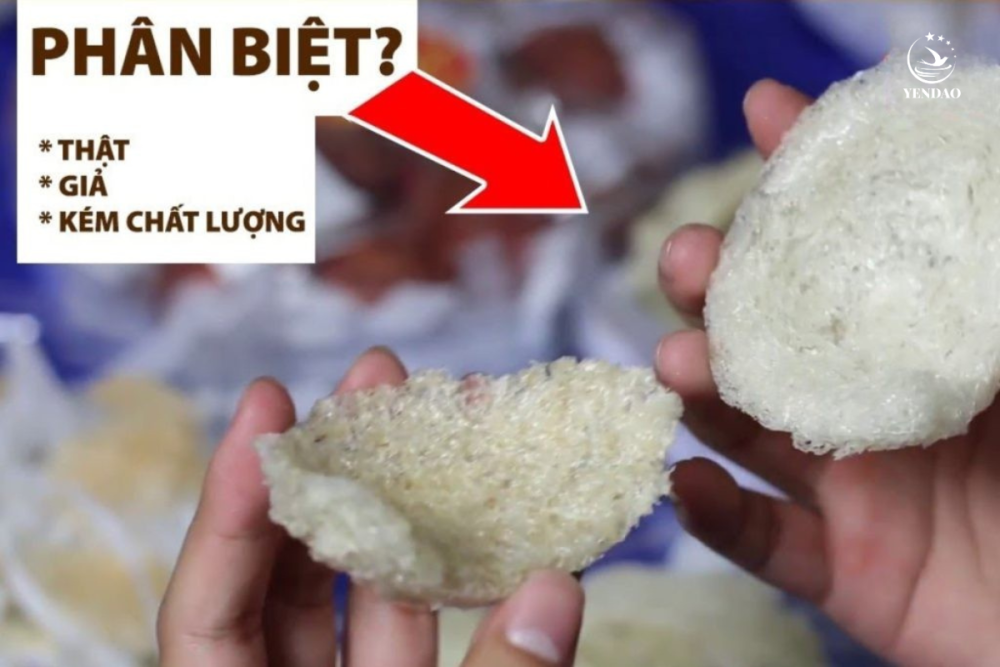
Although authorities have continuously conducted inspections and enforcement campaigns to reduce counterfeit products circulating on the market, it remains difficult to completely eliminate this issue.
Therefore, the best solution is to equip yourself with sufficient knowledge on how to distinguish real and fake bird’s nest, so you can choose products of the highest quality.
Bird’s nest products available on the market come in a wide variety of types and forms. With today’s advanced technology, bird’s nest can be processed into many different product formats. Classifying bird’s nest by its origin is one of the most reliable ways to ensure you purchase products with consistent quality. Packaging usually includes product information, origin, and processing type.
Bird’s nest is commonly divided into two main categories: house-cultivated bird’s nest and natural cave bird’s nest. Compared to cultivated nest harvested from nesting houses, natural island bird’s nest typically has a much higher price due to the dangers involved in harvesting from remote cliffs and caves.
Below are some characteristics to help you differentiate:
Natural island bird’s nest usually has a stronger and more distinctive aroma—one of the defining features that house-cultivated bird’s nest cannot fully replicate. Although the flavor is richer, the nutritional value of both types is essentially the same.
Natural bird’s nest is more difficult to clean and process compared to cultivated nest. Due to the hazardous terrain and dangerous harvesting conditions, the market price of natural island bird’s nest remains the highest.
Despite its high nutritional content, this type is generally not recommended for elderly individuals with high blood pressure or for young children. Furthermore, natural bird’s nest requires very careful storage, so consumers must pay close attention to proper handling.
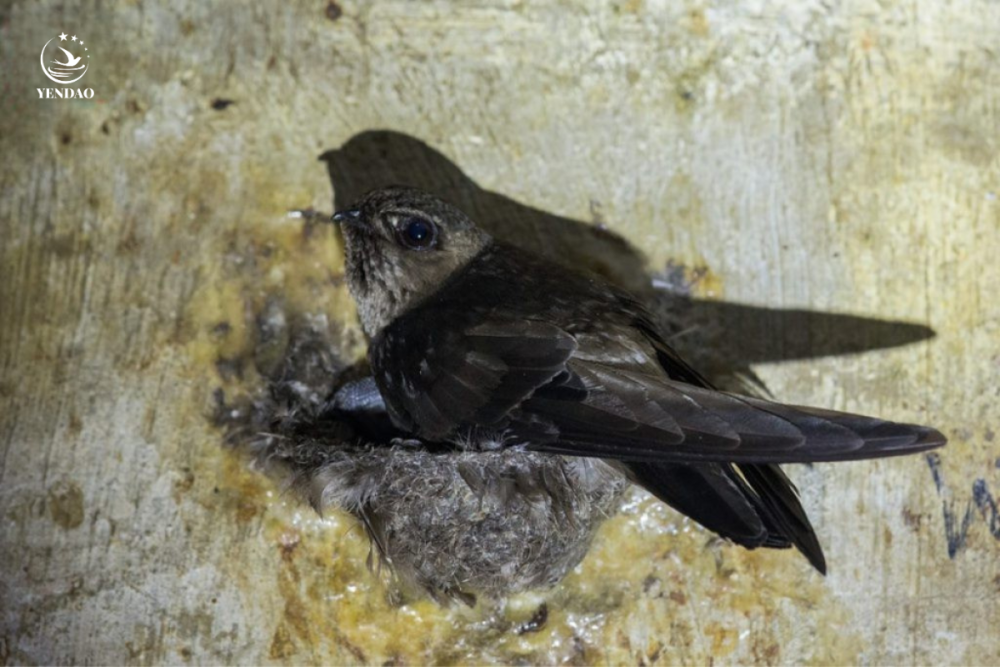
HOUSE-FARMED BIRD’S NEST
Birdhouses are built as enclosed structures that provide a safe environment for swiftlets to settle and build their nests. The harvesting and processing of house-farmed bird’s nest are also much simpler, which is why the final product is typically priced lower than island-harvested bird’s nest.
The nutritional content of farmed bird’s nest remains highly rich and complete. Unlike island bird’s nest, house-farmed nests do not contain mixed minerals, and they also have fewer impurities. Currently, this product type is favored by many customers. House-farmed bird’s nest is suitable for the elderly, children, and even pregnant women.
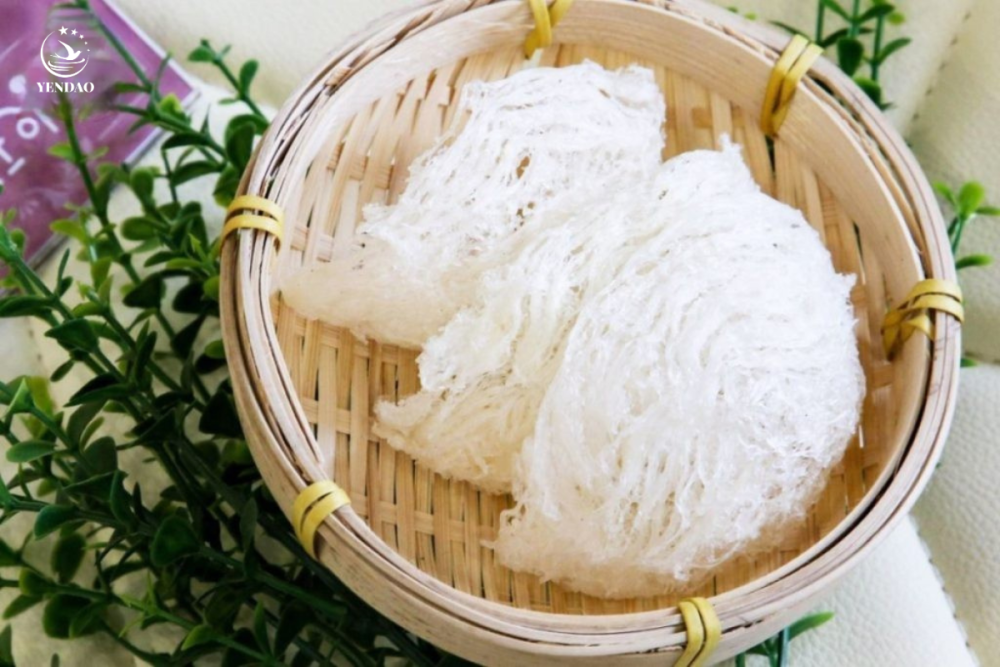
Here are some methods to identify real versus fake bird’s nests that you can understand and apply in practice:
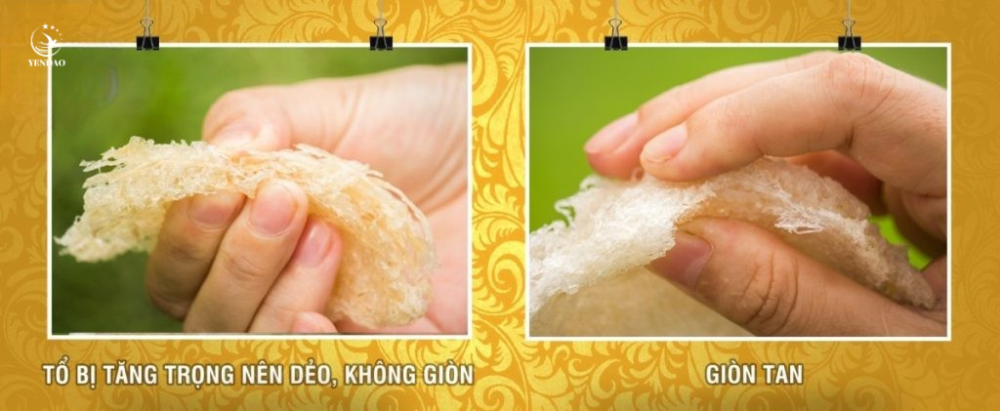
Fake bird’s nest: Fake nests, often mixed with additives, retain a chewy texture even after being left in the air for a while. They are hard to break and appear more solid.
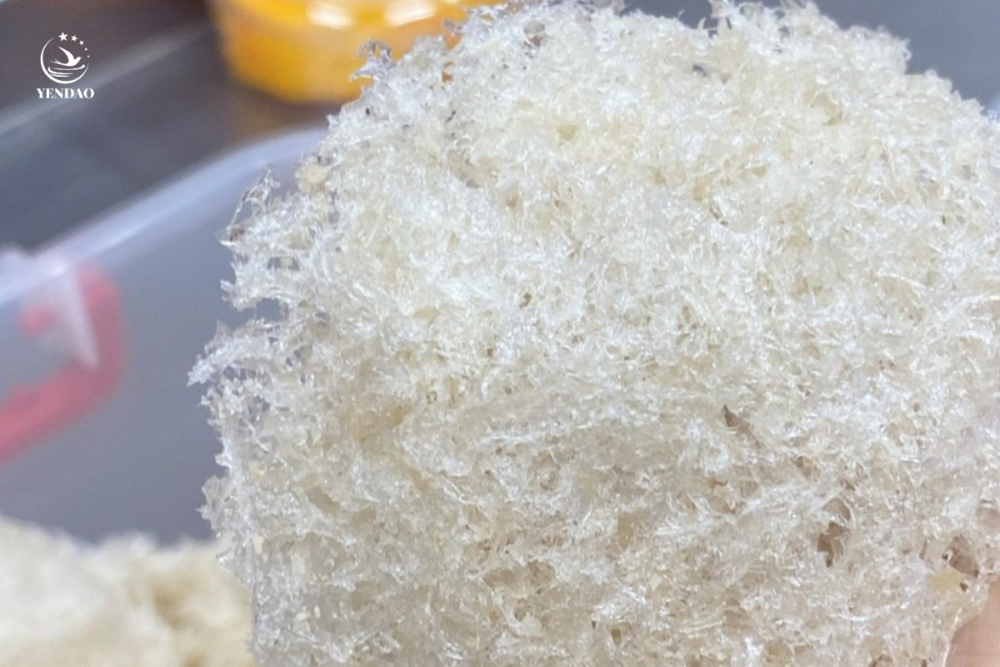
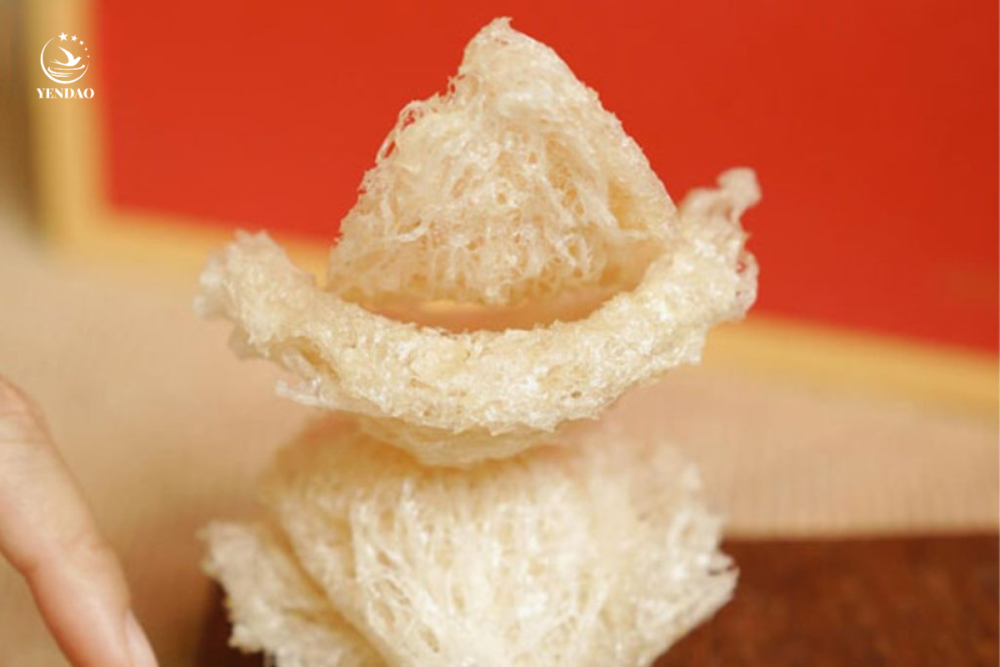
Another fairly simple method to check bird’s nests, widely used, is to soak the nest in clean water for about 30 minutes.
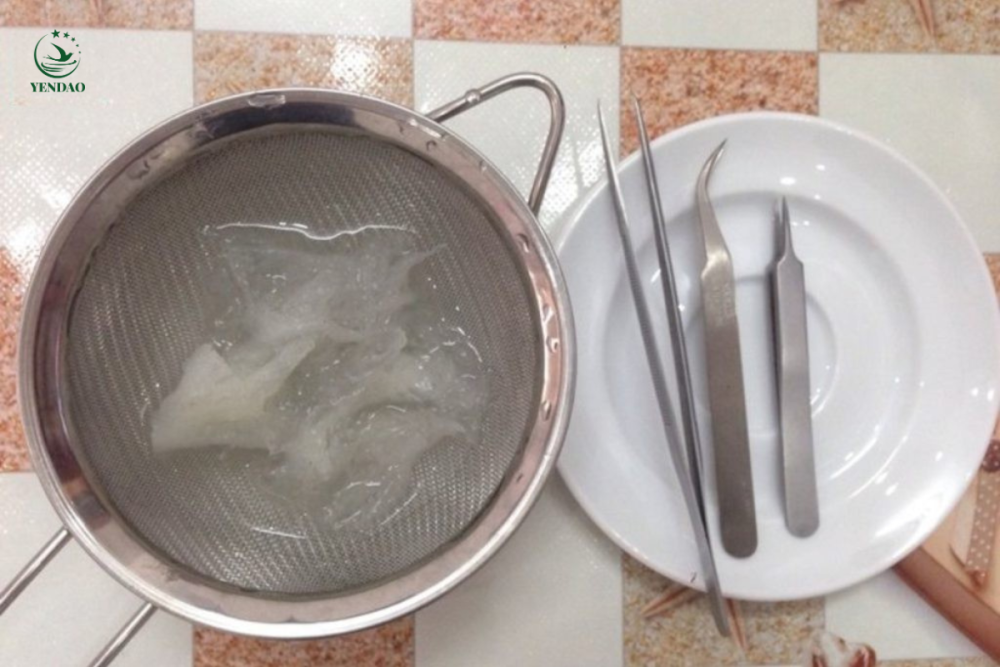
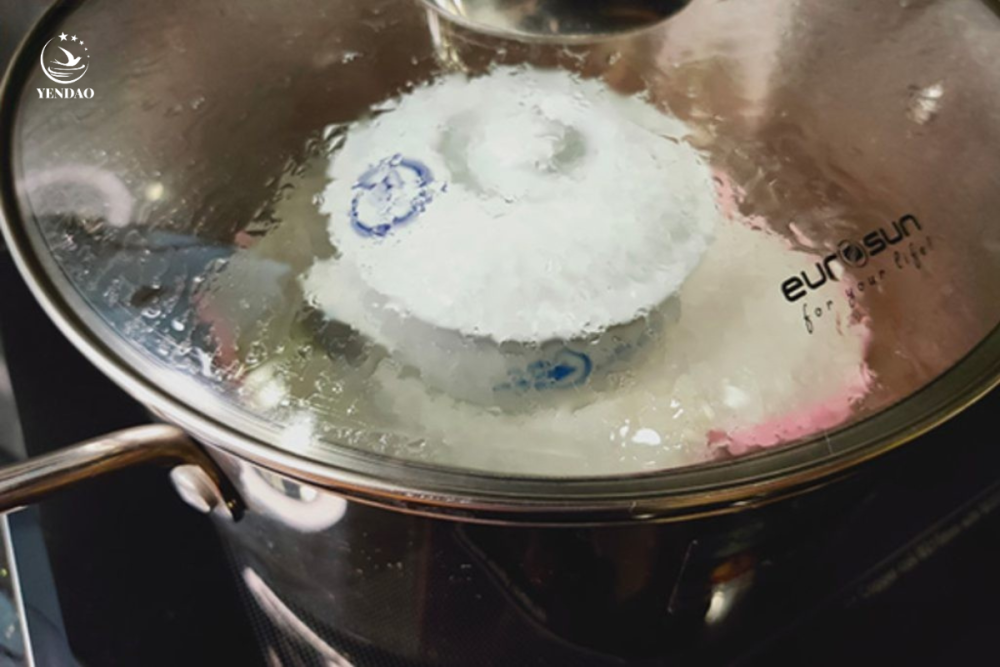
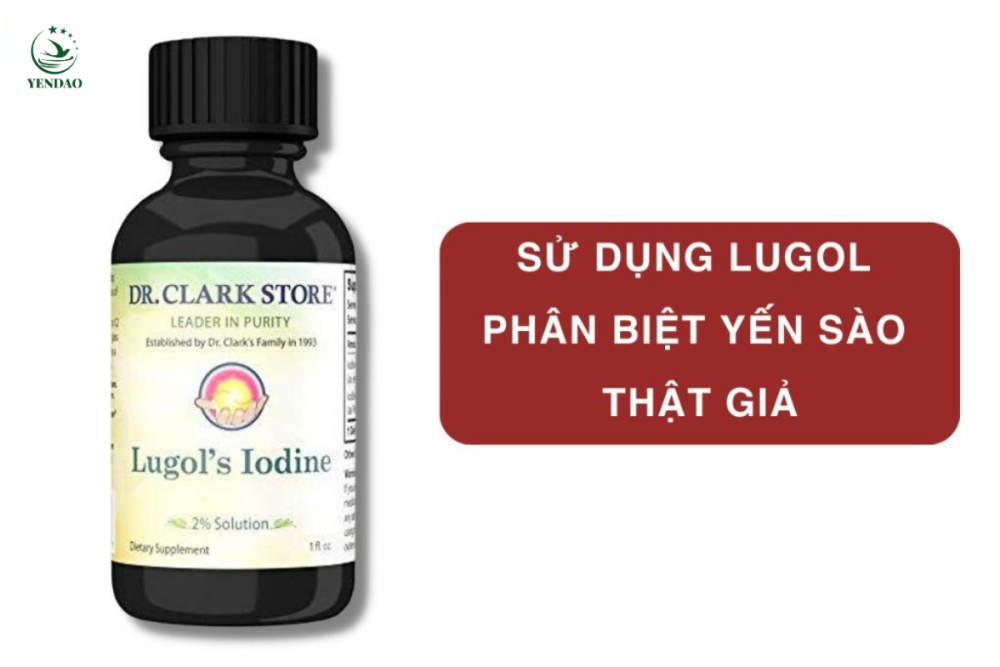
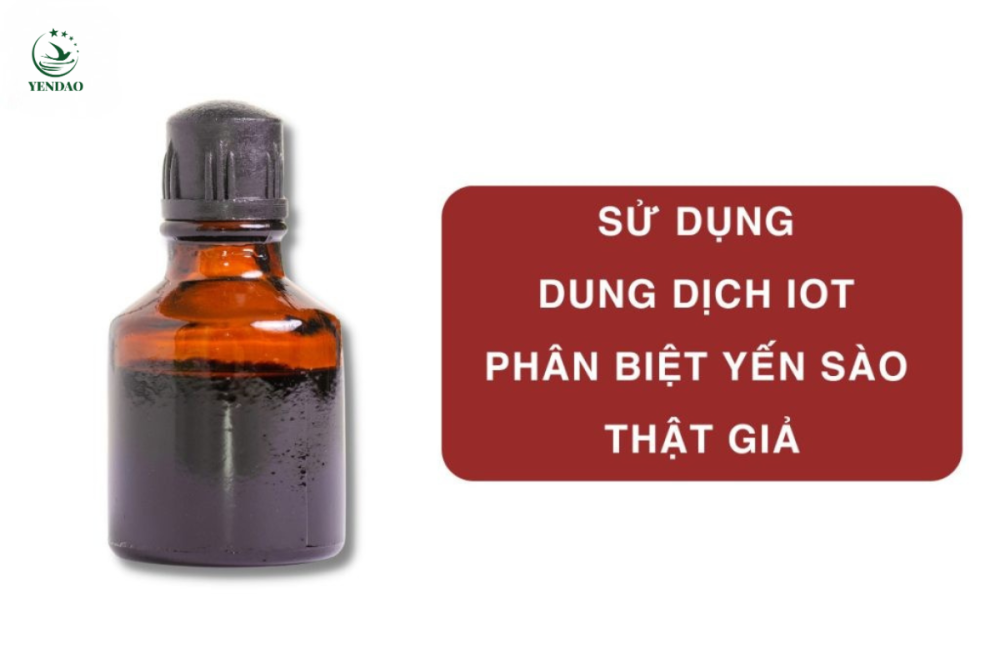
Lugol’s solution is a specialized product used to determine whether a bird’s nest is real or fake. For this method, use an electric pot to heat the bird’s nest. Then, add a few drops of Lugol’s solution. If the water remains normal with no observable reactions, this indicates the nest is genuine.
If, however, adding Lugol’s solution causes the mixture to immediately turn blue but then revert to its original state when cooled, this is a sign of a fake bird’s nest with poor quality.
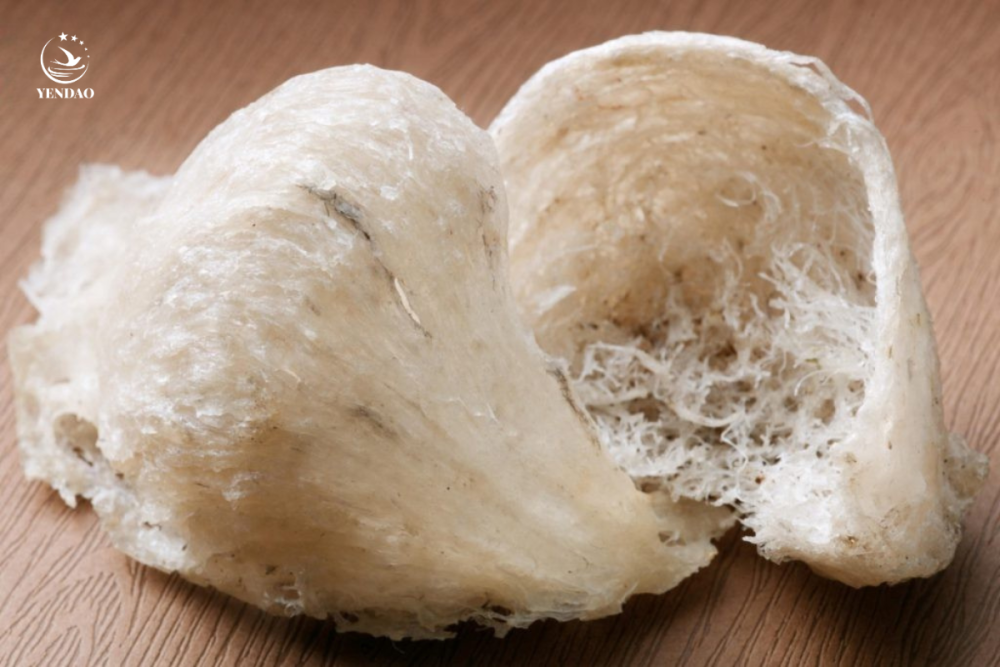
DISTINGGUISHING REAL AND FAKE BIRD'S NEST BY COLOR
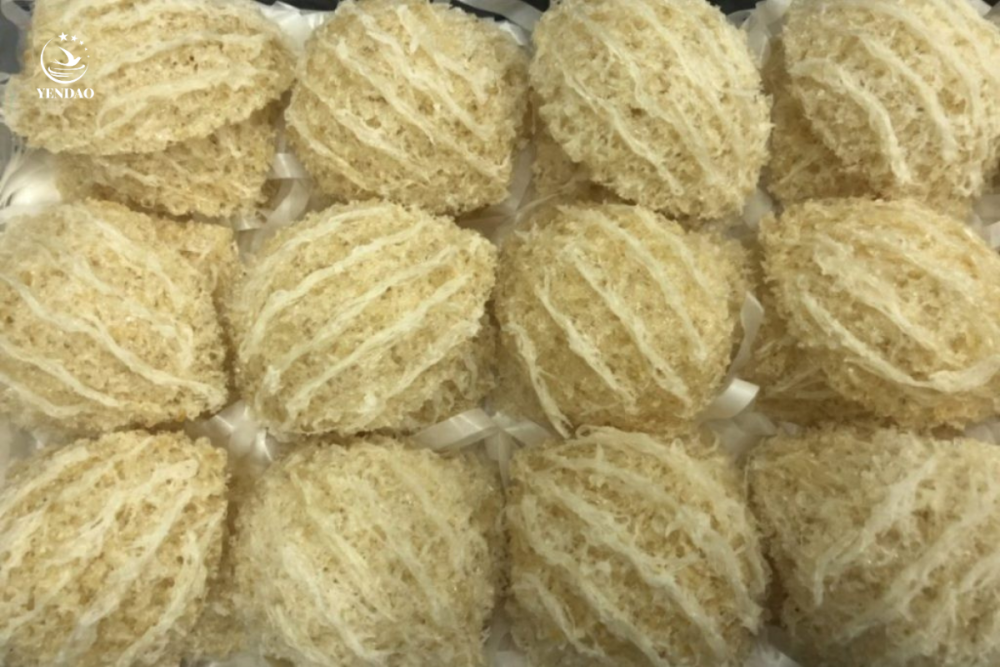
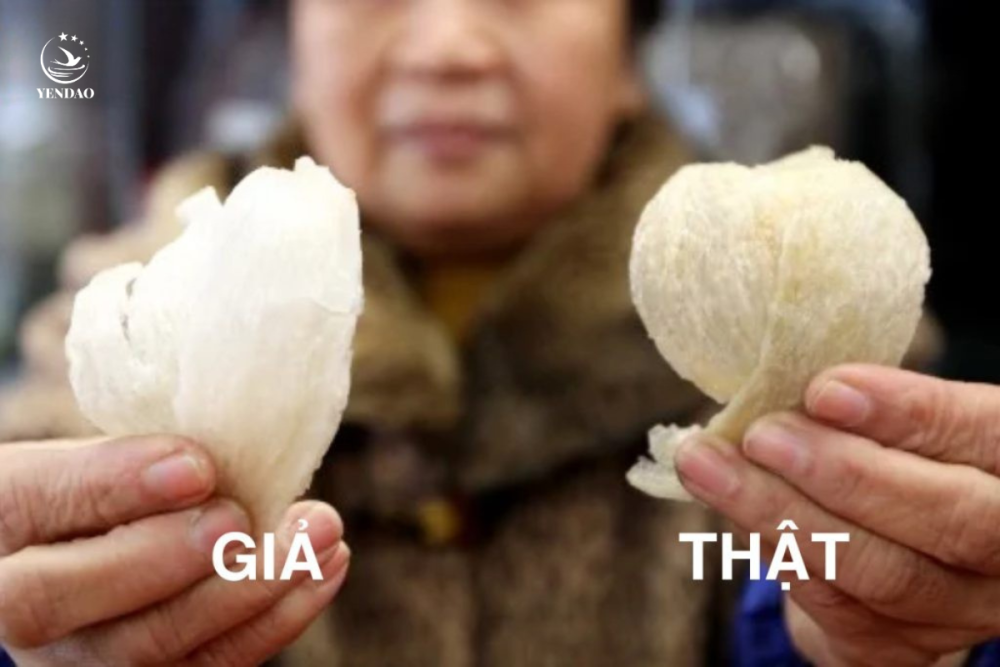
Fake bird’s nests that have been mixed with additives can become moldy and change color after just 3–6 months. They often turn yellow—a condition experienced professionals refer to as “yến lên con đường.” In worse cases, fake bird’s nests may even turn black due to mold caused by weather conditions. This happens because their weight was artificially increased by injecting a lot of water. When held, if the nest feels soft and pliable and does not break when squeezed, it is a sign of low-quality bird’s nest.
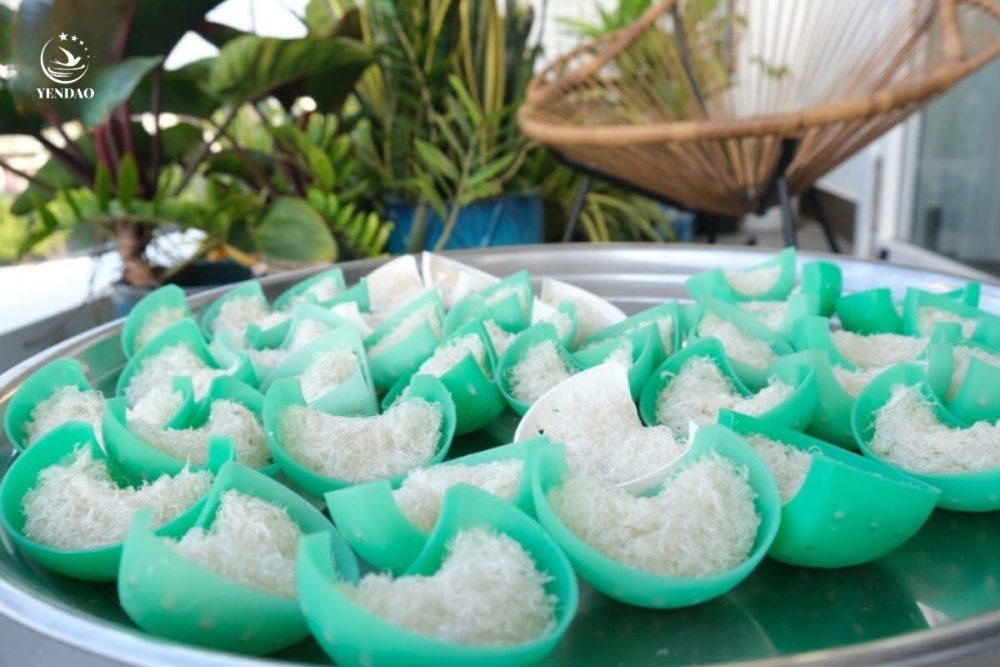
For high-value bird’s nest products that are often counterfeited, there are two ways to distinguish them using tea:
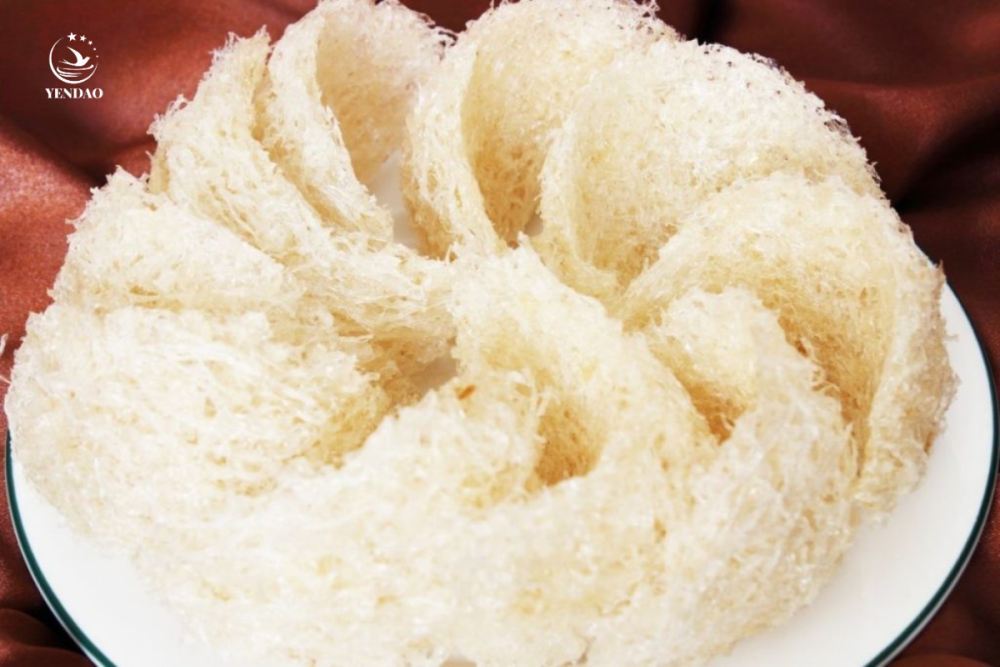
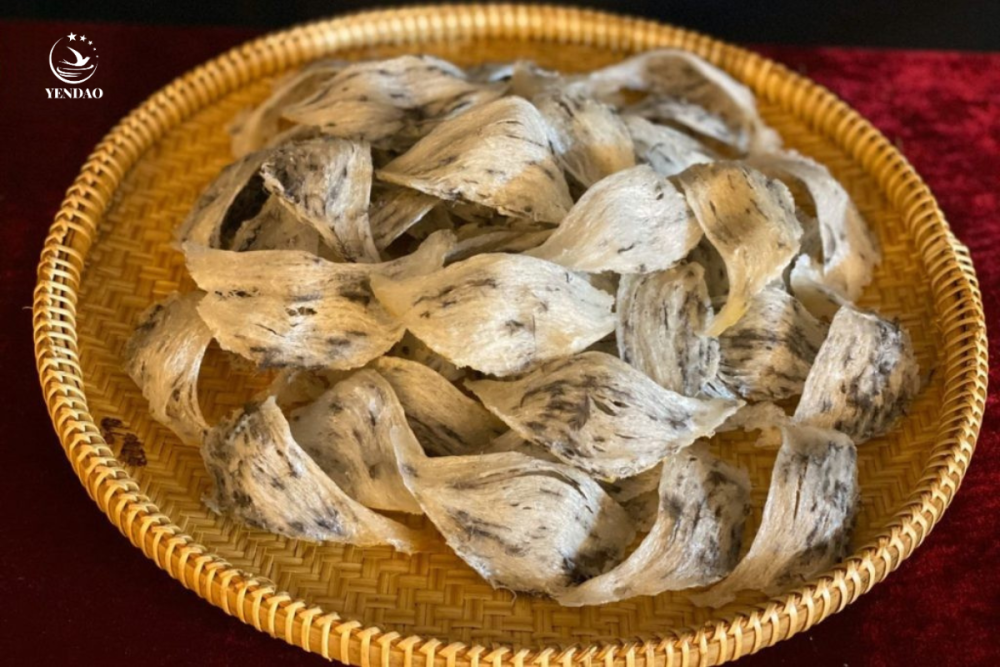
Below are several types of counterfeit bird’s nest products that authorities have discovered widely circulating on the market today, often labeled as authentic bird’s nest to attract and gain customers’ trust.
This is one of the most common types of fake bird’s nest currently found on the market, primarily made from seaweed. Although it has existed for a long time, this type of counterfeit product is still widely sold in many stores and online platforms, deceiving consumers.
When tasted, fake bird’s nests made from seaweed have a slightly salty flavor typical of seaweed fibers. When steamed, the coarse and larger seaweed strands become even more noticeable compared to real bird’s nest fibers. When held, the nest feels soft, smooth, and firm in the hand, lacking the natural roughness that authentic bird’s nest usually has.
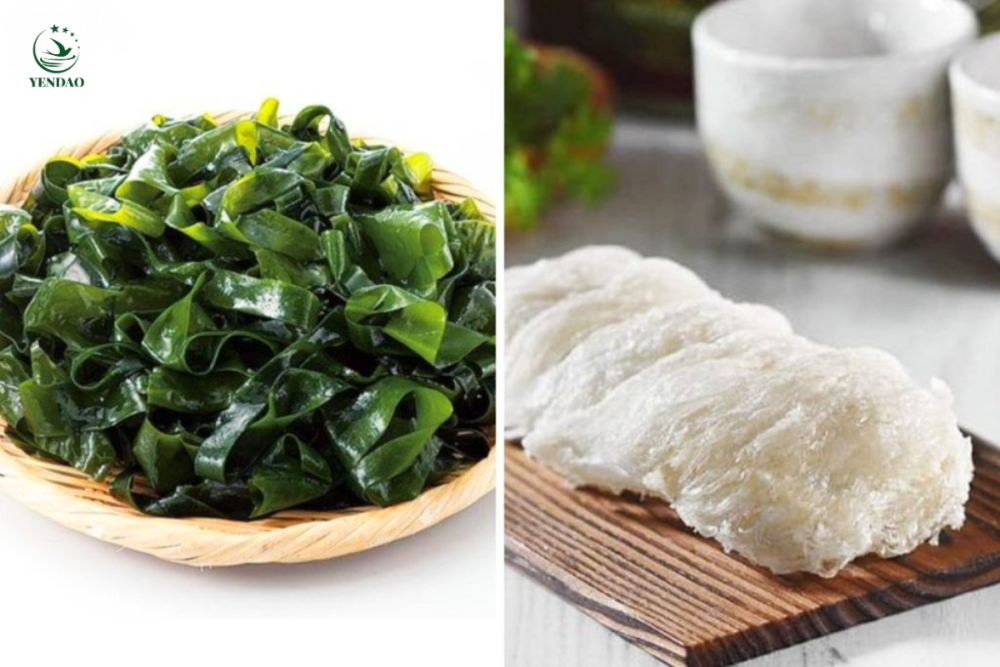
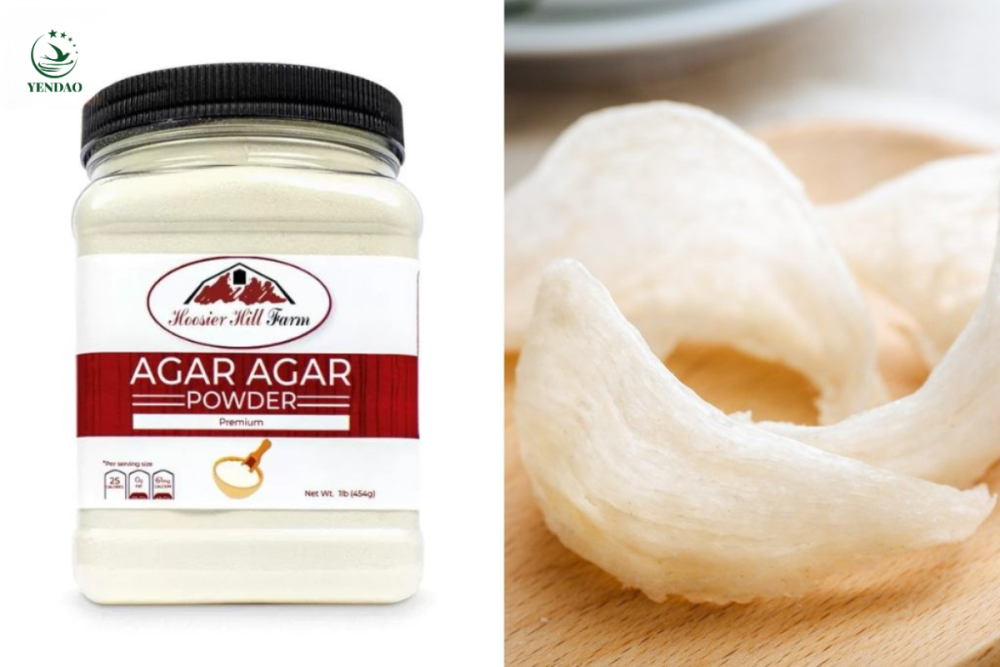
Similar to fake bird’s nest made from seaweed, counterfeit products created using agar are also widely used by many sellers to deceive consumers.
When steamed, agar-based fake bird’s nests expand into visually appealing strands. However, after being left overnight, these strands gradually break apart and dissolve in water. In addition, upon closer observation, you will notice that the bowl of water becomes cloudy, lacking the smoothness and clarity that real bird’s nest maintains when soaked.
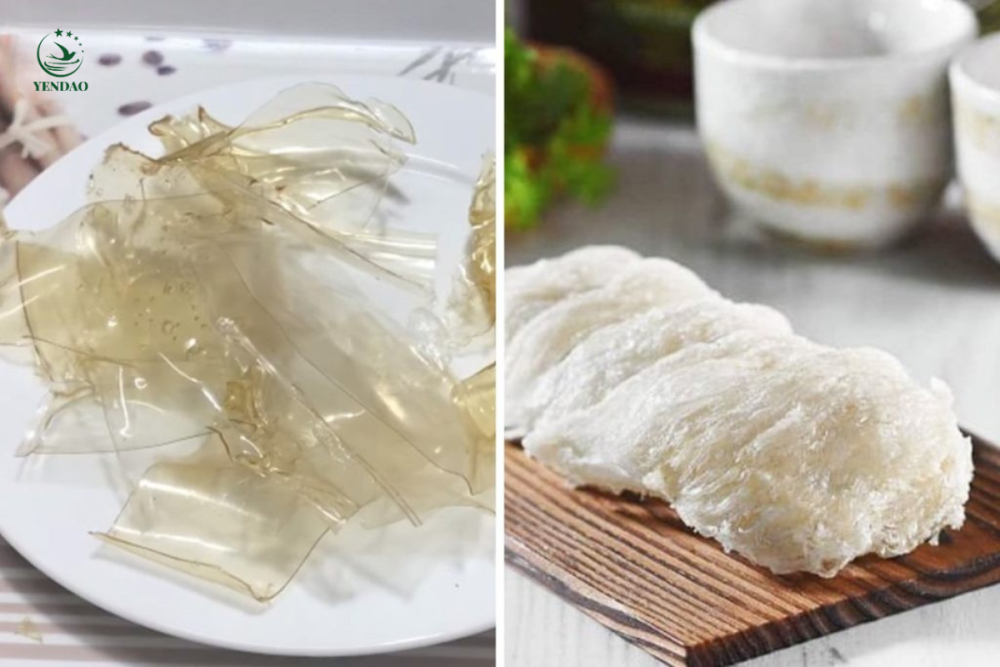
Today, many sellers are able to easily deceive consumers with counterfeit bird’s nest products made from pork skin gelatin. When steamed, the gelatin-based fake strands still expand, and at first glance may appear quite similar to real bird’s nest. However, they lack the smooth texture of authentic nests and may even feel firmer or more rubbery.
Notably, for this type of fake bird’s nest, buyers are often advised to soak it for a much longer time than real bird’s nest—sometimes up to 4 hours.
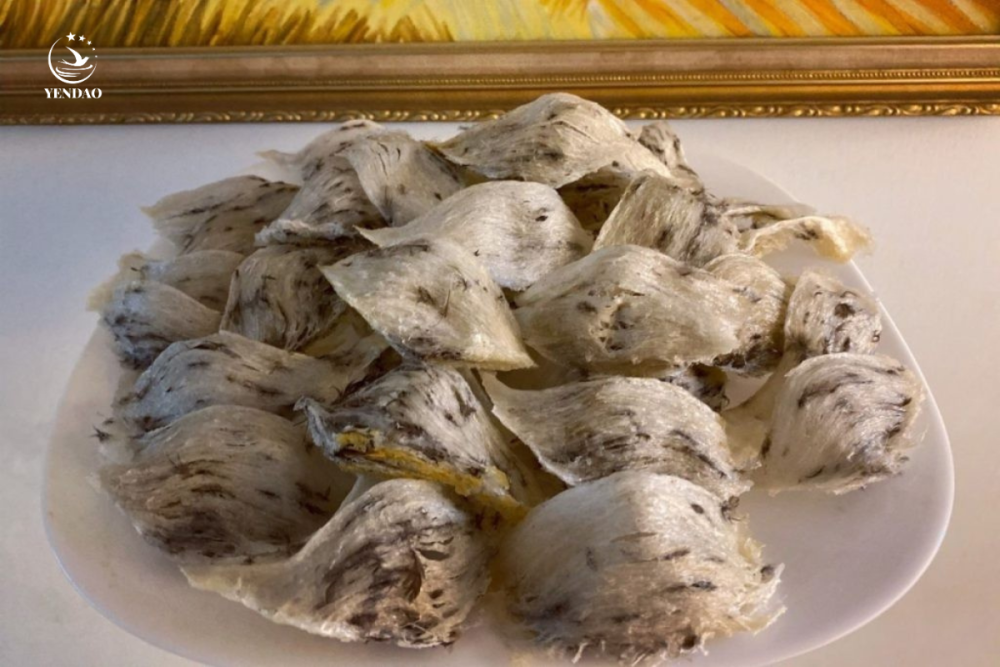
Many consumers believe that natural island bird’s nest offers higher quality and greater nutritional value compared to home-farmed bird’s nest. Because of this perception, a number of products have been “disguised” or falsely marketed as natural island bird’s nest simply by changing their packaging. Naturally, customers end up paying a much higher price for these falsely labeled products compared to regular home-farmed nests.
To avoid this issue, when purchasing island bird’s nest, you should check whether it has the distinctive mild aroma typical of genuine island nests. Additionally, cleaning natural island bird’s nest is usually more difficult than cleaning home-farmed bird’s nest.
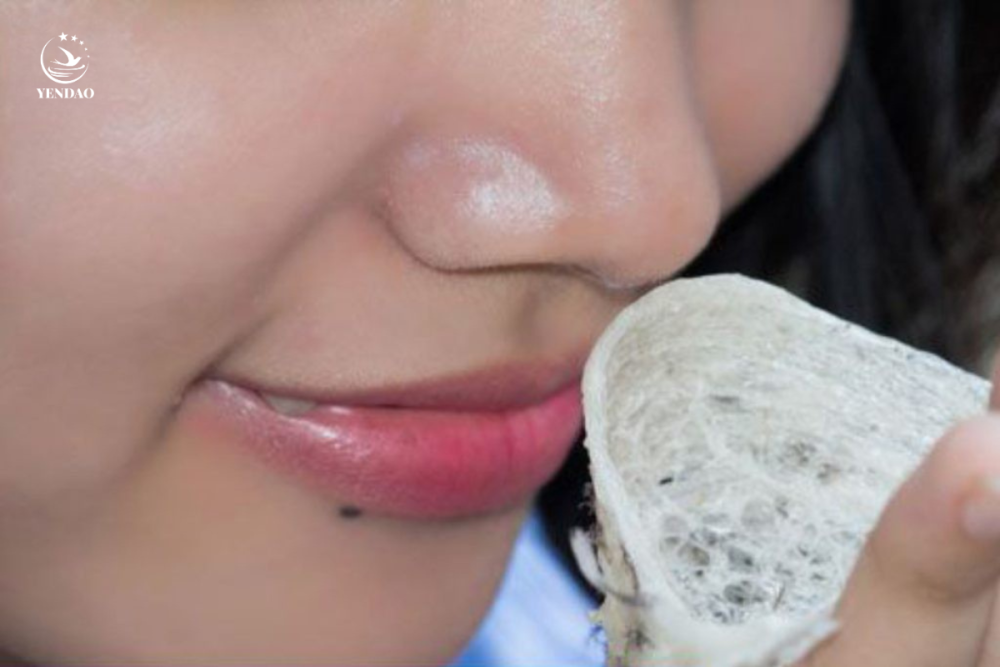
Many bird’s nest suppliers use chemicals to bleach the nests and sometimes apply egg whites on the surface to create a strong fishy smell. Chemical bleaching removes the nest’s natural aroma, so this method is mainly used to deceive buyers. When purchasing bird’s nest, if you notice a strong egg-like odor, you should be cautious.
Many sellers, aiming to increase their profit, add various additives such as salt, sugar, vermicelli strands, shark fin, mushrooms, or vegetables to bird’s nests in order to increase their weight.
Additionally, a more sophisticated method involves mixing in lower-quality bird’s nest imported from Malaysia. Currently, around 70% of bird’s nest products on the market are imported and of very low quality.
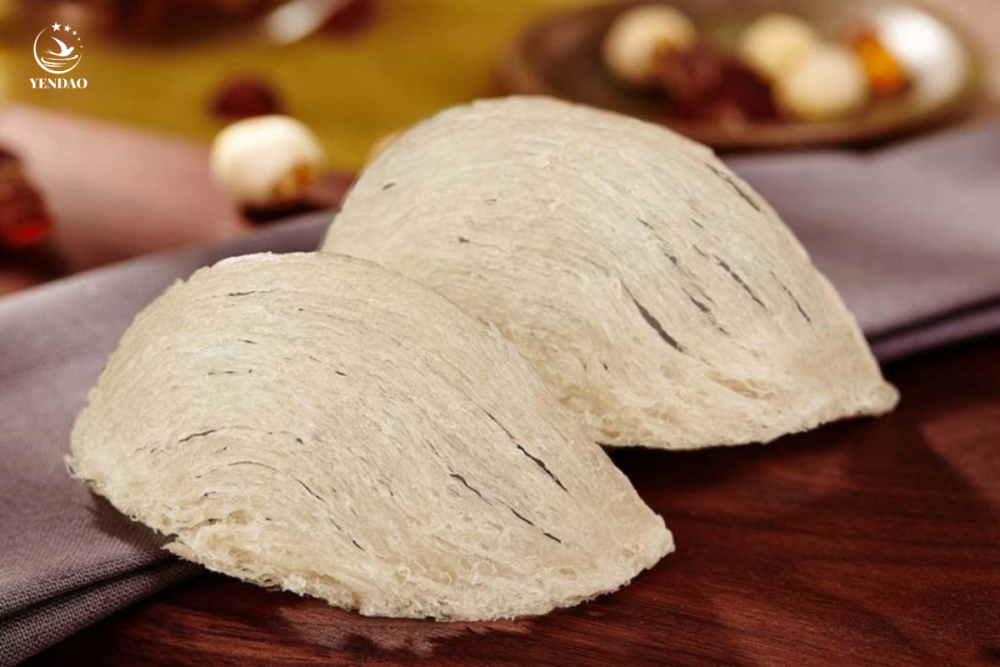
We are constantly striving to improve the technology, breeding, and processing methods of bird’s nest to ensure the finest quality in our products, satisfying our valued customers. Yen Dao Can Gio is proud to provide the best bird’s nest products, helping to maintain and enhance consumers’ health. This is also the primary goal we aim to achieve in this field.
The above article provides a detailed guide on how to distinguish real and fake bird’s nests. We hope it serves as a valuable resource to help you choose the best products for your family.
热门文章


YEN DAO CAN GIO JOINT STOCK COMPANY
总公司: 170 Dao Cu Street, Phong Thanh Quarter, Can Gio Commune, 胡志明市, 越南
Email: contact@yendaocangio.com
Hotline: 1900 866 837
税号: 0315675327
商业登记号码: 0315675327
©版权归 Yen Dao Can Gio Joint Stock Company 所有